Basics of Mahjong
Mahjong is a game for four players built on a simple idea: gather tiles into sets and be the first to complete a winning hand. This page covers what every variant has in common, then shows where Hong Kong and MCR go their own ways.
What is Mahjong?
Mahjong is a tile game for four players. It began in China in the nineteenth century and later spread to Japan, America and Southeast Asia. Every region developed its own rules, so details can differ from table to table. What stays the same is the core: draw a tile, discard a tile, and try to build a complete hand before anyone else.
MyMahjong supports two variants today: Hong Kong Mahjong (with VMC Classic and HKMA rules) and Chinese Official Mahjong (MCR). Riichi and American Mahjong are being prepared. Mahjong here is a game of attention, memory and planning; scores have no monetary value.
The tiles
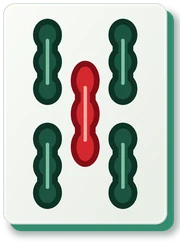
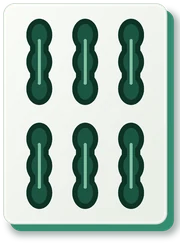
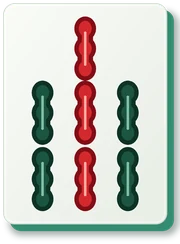
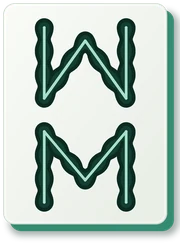
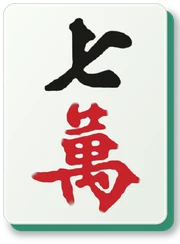
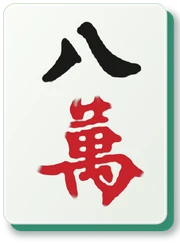
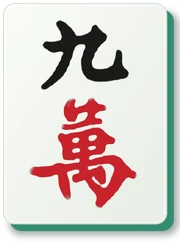
A standard set has 34 different tiles with four copies of each, which makes 136 tiles.
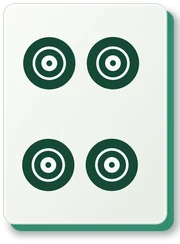
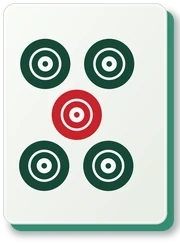
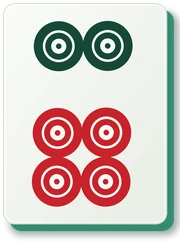
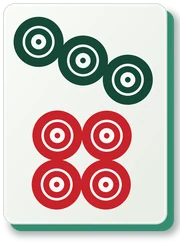
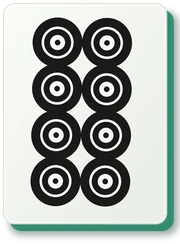
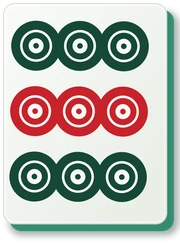
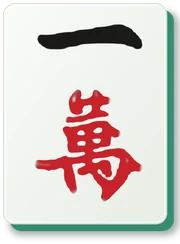
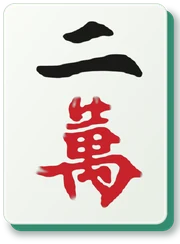
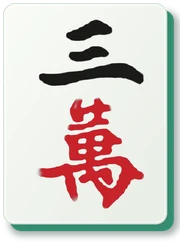
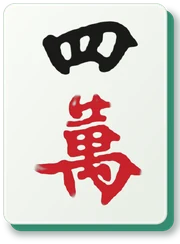
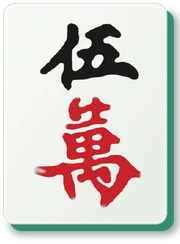
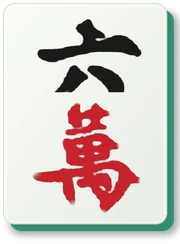
- Three suits: Bamboo, Dots (also called circles) and Characters. Each suit runs from 1 to 9, four copies of every number: 108 tiles.
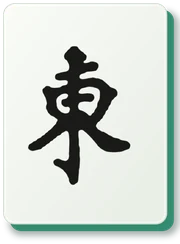
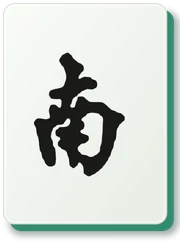
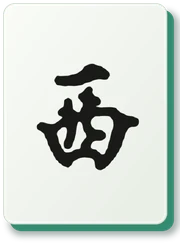
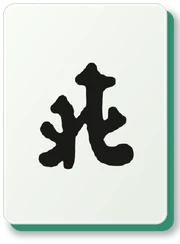
- Four winds: East, South, West and North, four copies each: 16 tiles.
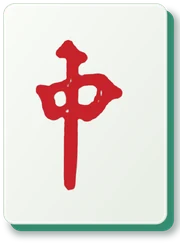
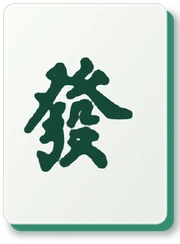
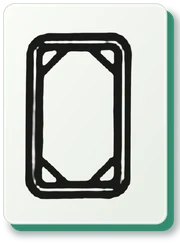
- Three dragons: Red, Green and White, four copies each: 12 tiles.
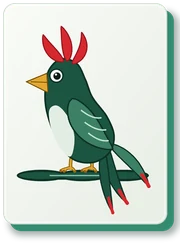
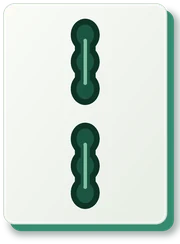
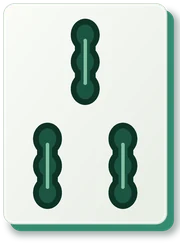
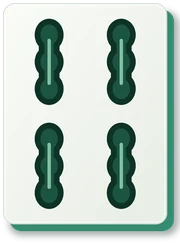
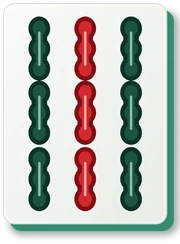
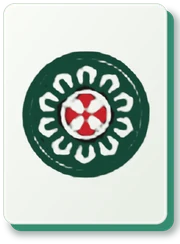
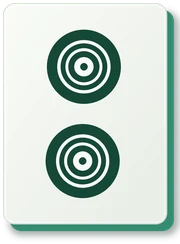
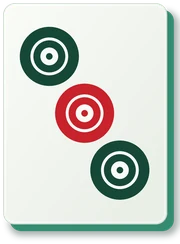
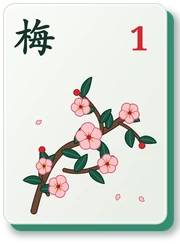
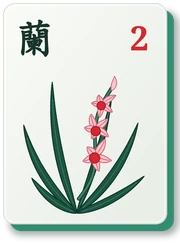
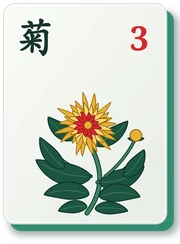
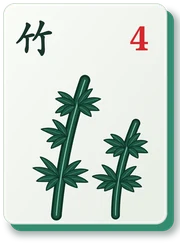
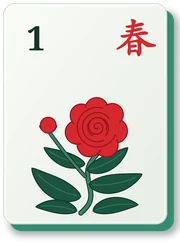
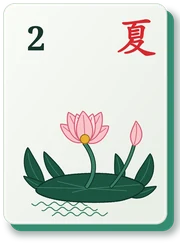
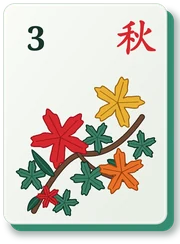
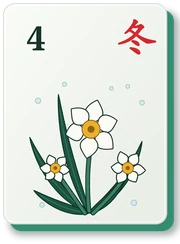
Hong Kong and MCR add eight more tiles, one of each: four flowers (plum, orchid, chrysanthemum and bamboo) and four seasons (spring, summer, autumn and winter). The full set is then 144 tiles. Flowers and seasons never form sets: when you draw one, you show it and take a replacement from the back of the wall.
| Variant in MyMahjong | Tiles |
|---|---|
| Hong Kong, VMC Classic | 144 (with flowers and seasons) |
| Hong Kong, HKMA | 136 (no flowers) |
| MCR | 144 (with flowers and seasons) |
Sets and pairs
A hand is built from sets and one pair:
- Chow: three consecutive numbers in the same suit, such as Bamboo 3-4-5. Only the three suits can form chows, never winds or dragons.
- Pung: three identical tiles.
- Kong: four identical tiles. When you declare a kong you take one extra tile from the back of the wall, so a kong still counts as a single set.
- Pair: two identical tiles.
The winning hand
A standard winning hand is four sets and one pair: 14 tiles for the purpose of counting, with a kong counted as one set. You start with 13 tiles, draw one on your turn and discard one. When your tiles form a legal winning hand, you declare the win ("Mahjong" or "Hu").
Some special hands use other shapes, for example Seven Pairs and Thirteen Orphans. A complete shape is also not always enough: both Hong Kong and MCR require a minimum score before you may win (see Scoring below).
How a hand is played
- Seats and dealer. Four players sit around the table. One player is the dealer and sits at East; the seats continue South, West and North in the order of play. These are names of seats, not compass directions.
- The wall. The tiles are shuffled face down and built into four walls. Dice decide where the wall is opened.
- The deal. Each player takes 13 tiles and the dealer takes a 14th to start. Flowers and seasons are shown and replaced from the back of the wall.
- A turn. Turns go counter-clockwise. Draw one tile, check whether you can win, then discard one tile face up and name it.
- Claiming a discard. Any player may claim a discard to complete a pung, a kong or a winning hand. A chow may only be claimed from the player just before you in turn order. If several players want the same tile, a win comes first, then a pung or kong, then a chow. Claimed sets are placed face up (exposed). A hand without exposed sets is concealed, which many scoring systems reward.
- The end of a hand. A hand ends when someone wins, or when the wall runs out with no winner (a draw).
Winds and the dealer
Two winds matter for scoring. Your seat wind belongs to the seat you occupy, and the round wind belongs to the whole table; a full game moves through the East, South, West and North rounds. Pungs of these winds can earn extra points. The dealer is always East.
How the deal passes depends on the rules. In Hong Kong VMC Classic the dealer keeps the deal after winning or after a draw, and it moves on when another player wins. In HKMA rules the dealer keeps it only after winning. In MCR the deal passes after every hand, whoever wins.
Scoring: Hong Kong and MCR
Hong Kong counts faan. Every scoring feature of the hand is worth some faan; you add them up and need at least the minimum (three faan in both rule sets used here). A table then converts faan into points, and HKMA caps the hand at 10 faan. In VMC Classic the discarder pays double, a self-drawn win is paid double by everyone, and payments involving the dealer are doubled. In HKMA rules the discarder pays everything on a win from a discard, and on a self-drawn win each opponent pays half.
MCR has 81 official patterns and its own point values. A winning hand must reach at least 8 points from patterns, and flowers and seasons do not count towards that minimum (each adds one point only after the hand qualifies). Every opponent pays the winner 8 base points plus the hand value on a self-drawn win; on a win from a discard, the discarder pays 8 plus the value and the other two pay 8 each.
| Hong Kong | MCR | |
|---|---|---|
| Tiles | 144 (VMC) or 136 (HKMA) | 144 |
| Minimum to win | 3 faan | 8 points (flowers excluded) |
| Scoring unit | Faan, then a payment table | Points from 81 patterns |
| Dealer | Stays after a win (and a draw in VMC) | Passes after every hand |
Tips for beginners
- Start with Hong Kong rules: they are the gentlest way to learn the flow of play.
- Plan a scoring direction early. In MCR, choose one or two plausible patterns within the first five or six turns.
- Do not expose sets too early. Claiming a discard opens your hand and closes the door on concealed-hand bonuses.
- Count before you call. A complete hand below the minimum cannot win, and in many MCR events a false win is penalised.
- In MCR, do not count the same thing twice. For example, Full Flush already excludes honours, so No Honors is not added.
- Use the Coach and the scoring guide in MyMahjong while you learn.
Glossary
- Chow
- Three consecutive numbers in one suit.
- Pung
- Three identical tiles.
- Kong
- Four identical tiles; take a replacement tile from the back of the wall.
- Pair
- Two identical tiles; every standard winning hand has one.
- Wall
- The stacked tiles that players draw from.
- Dealer
- The player at East who starts each hand.
- Exposed / concealed
- A set made with a claimed discard is exposed (face up); a hand without any is concealed.
- Seat wind / round wind
- The wind of your seat, and the wind of the current round.
- Faan / fan
- The scoring unit in Hong Kong and in MCR.
- Mahjong / Hu
- The declaration of a winning hand.
- Draw game
- A hand that ends with no winner because the wall ran out.