MyMahjong

← Back to the pattern guide

MCR PATTERNS

MCR patterns worth 48 and 32 points

Two tiers on one page. The 48-point patterns repeat one set four times in a single suit. At 32 points you find Four Shifted Chows, Three Kongs and a hand made only of terminals and honours.

About this tier

Single-suit hands like these are easy to spot from the beginning of a hand, because most of your tiles share one suit.

How to read the examples: sets that were called from a discard (exposed) are underlined in orange, and the winning tile has a gold outline. Every example is a complete winning hand that has been checked against the scoring engine.

Quadruple Chow (一色四同順) · 48 points

Four identical chows in one suit.
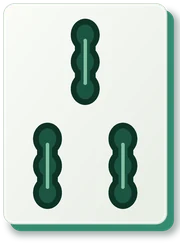
Four Pure Shifted Pungs (一色四節高) · 48 points

Four pungs in one suit with consecutive numbers.
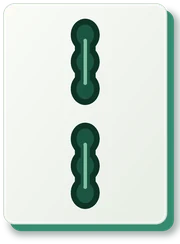
Four Pure Shifted Chows (一色四步高) · 32 points

Four chows in one suit, each shifted up by 1 (or each by 2).
Three Kongs (三槓) · 32 points

Three kongs, melded or concealed.
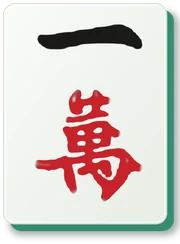
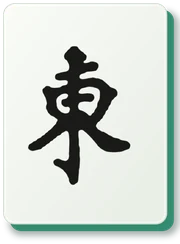
All Terminals and Honors (混幺九) · 32 points

Every set and the pair are made of terminals and honors.
More patterns

Keep reading

MCR

How to play MCR: a hand from setup to the last tile

A step-by-step guide to a hand of Chinese Official Mahjong (MCR): the setup, the deal, a turn, claiming discards, kongs, flowers, a drawn hand and the 16-hand match.

Read the guide →
MCR

MCR scoring explained: the 8-point minimum and how to count

How scoring works in Chinese Official Mahjong (MCR): winning structures, the eight-point minimum, the pattern tiers, avoiding double counting, payments with worked examples and the common mistakes.

Read the guide →
MCR

MCR strategy for beginners: how to reach eight points

Practical beginner strategy for Chinese Official Mahjong (MCR): plan your eight points early, learn a few patterns, combine small ones, keep sets concealed and use a checklist before you play.

Read the guide →
HONG KONG

Hong Kong Mahjong basics: the dealer, winds, flowers and faan

A beginner guide to Hong Kong Mahjong: how the dealer and winds change, taking a turn and claiming discards, kongs, flowers, the minimum faan and the basic faan items.

Read the guide →
VMC

VMC rules explained: shared faan, Classical and Modern settlement

What the Victoria Mahjong Club (VMC) Hong Kong rules cover: the shared faan list, the two point settlement models called Classical and Modern, the base-point tables and worked examples.

Read the guide →
HKMA

HKMA rules explained: 3-faan minimum, 10-faan ceiling and how it differs from VMC

What the Hong Kong Mahjong Association (HKMA) Classical Mahjong rules cover: the 3-faan minimum, the 10-faan ceiling, how faan add up, conditions to watch, and a comparison with VMC values.

Read the guide →
RIICHI

How riichi mahjong works: a beginner's guide to the Japanese rules

The basics of riichi mahjong: the 136 tiles, how a hand and a game run, calling tiles, the riichi declaration, furiten, dora and how a hand ends.

Read the guide →
RIICHI

Riichi scoring explained: han, fu, limits and payments

How a riichi hand is scored: counting han and fu, the fu table, mangan and the limits, who pays what, and the effect of continuance counters, riichi sticks and draws.

Read the guide →
RIICHI

Riichi rule options: competition rules, house rules and red fives

The main rule choices in riichi mahjong: open tan'yao, red fives, starting points, uma and oka, rounding mangan, and the optional rules groups agree before a game.

Read the guide →

Ready to try a hand?

Play against bots for free, with a Coach and a scoring guide beside you.

Play now